

Hey Friends 👋 Happy Thursday
Sharing these insights based on Anthropics Use Cases
Managers, how much of your week is spent on work that doesn’t require your strategic mind? Chasing status updates, gathering data from a dozen different tools, and formatting reports. It’s the operational drag that keeps you from the high-impact work you were hired to do. What if that busywork could disappear?
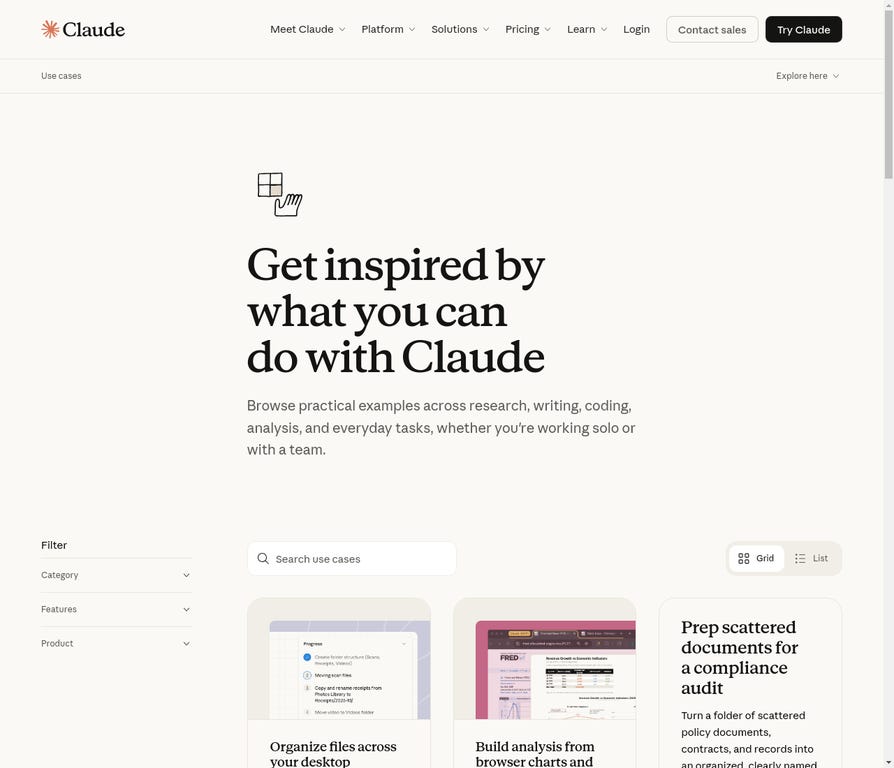
Anthropic just released a set of use cases for their AI assistant, Claude, and they offer a clear glimpse into the future of management. It’s not about being replaced by AI; it’s about being elevated. The new manager playbook is about shifting from a “doer” to a “reviewer and delegator” of tasks to AI agents.
Why Claude, Not ChatGPT?
Before we dive in, let’s clarify why this is different. You’ve likely used ChatGPT. You feed it information, it gives you a response, and you copy-paste that into your workflow. The game-changer with tools like Claude, and its more powerful version, Cowork, is tool access. They connect directly to your existing software stack, your project management tools, your cloud storage, your communication platforms. They pull the data themselves, so you don’t have to.
ChatGPT: You feed it → It writes → You copy-paste
Claude/Cowork: It accesses tools → Pulls data → Generates + saves
This seemingly small difference is what unlocks true operational leverage.
The Three Types of Managerial Work AI Can Automate Today
An analysis of Claude’s 15 new use cases reveals three clear categories of managerial work that are ripe for automation:
1. Cross-Platform Data Aggregation & Synthesis
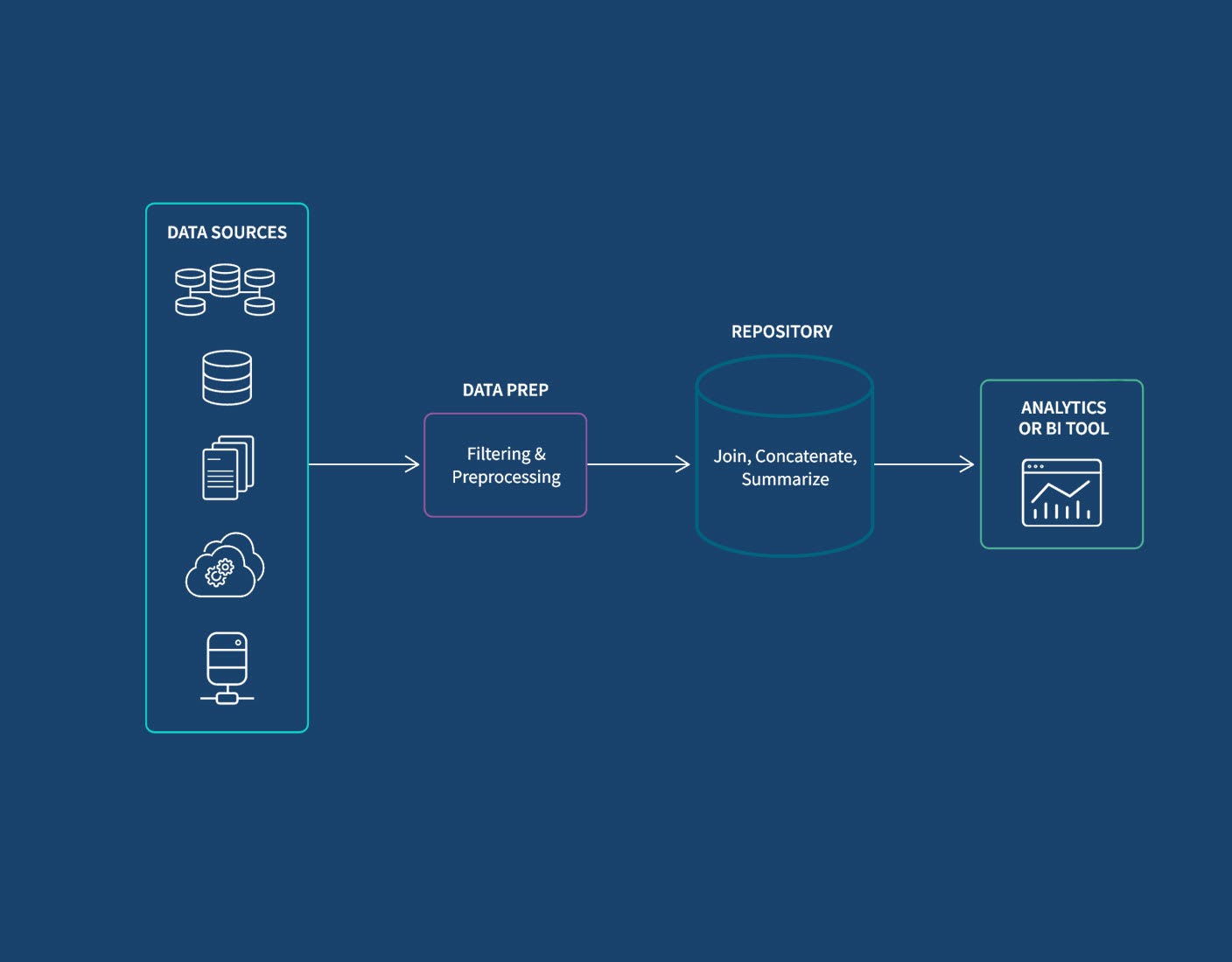
This is the most common and immediately valuable category. It’s for any task where you find yourself opening multiple tabs or applications just to get a complete picture.
Examples:
•Building a daily briefing: Instead of you checking Slack, Notion, and your team dashboard, an AI agent does it overnight and presents you with a summary of priorities.
•Surfacing themes from feedback: The agent can read call transcripts, CRM notes, and support tickets to identify recurring customer issues.
•Pulling metrics from dashboards: No more manual data entry from your analytics tools into a spreadsheet.
Manager Takeaway: If your morning starts with “checking in on things,” this is your starting point. You can save 30-60 minutes every single day.
2. Batch Processing of Repetitive Operations
This category is about tackling tasks that you do over and over again, often for a list of items. Think of it as applying the same set of steps to a folder full of files.
Examples:
•Processing a batch of vendors: The agent can read vendor files, add them to your tracking system, generate contracts, and even fill out intake forms.
•Reconciling transactions: It can match transactions across different bank exports and flag discrepancies for your review.
•Organising scattered documents: Point it at a messy folder, and it will sort and rename files based on their content.
Manager Takeaway: If you have a recurring task that involves a list of items, you can likely automate it. This is about eliminating the monotonous, one-by-one work.
3. Professional Deliverable Creation
This is where AI starts to feel like a true junior team member. It’s not just about processing information; it’s about creating polished, professional outputs.
Example:
•Sizing a market: You can ask a question, and the agent will research it, perform calculations, and deliver a PowerPoint presentation, an Excel workbook with the methodology, and a Markdown document with citations.
Manager Takeaway: Your role shifts from creating the first draft of a presentation to refining the narrative of an AI-generated one. This is a massive time-saver for strategy, business development, and operations roles.
The New Core Skill: Implementing AI Management Systems
In the old world, you implemented processes. In the new world, you implement AI management systems. This is the fundamental shift. You didn’t just automate a task; you learned the basics of context engineering—the skill of designing and directing these systems.
Old Management:
•You wrote requirements
•You delegated to humans
•You followed up manually
New Management:
•You structure context (what the agent needs to know)
•You delegate to AI agents
•You review outputs
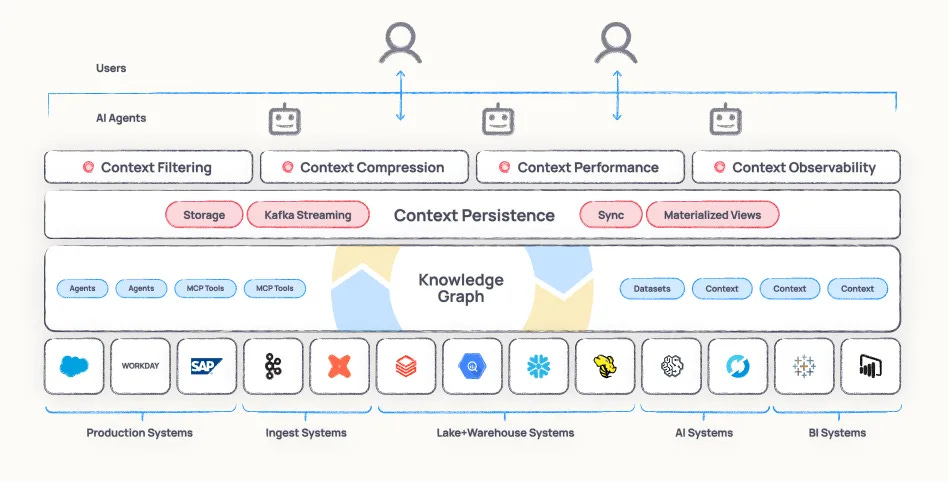
The core management thinking—breaking down what needs to happen and communicating it clearly—remains the same. But the execution has fundamentally changed. You are no longer just managing people; you are managing systems.
Old Way vs. New Way: How AI-Powered Managers Operate
Here’s how managers who are embracing AI are structuring their work:
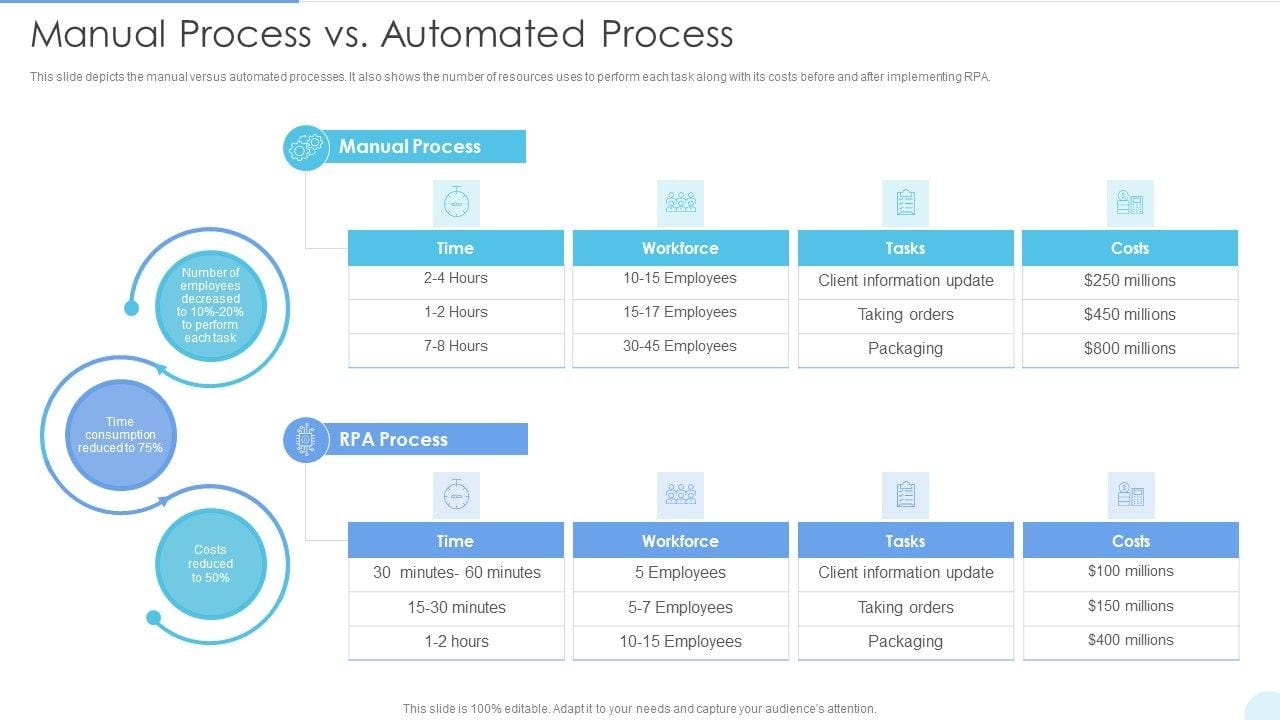
The Old Way: The Manual Grind
•Manually check Slack for urgent messages (10 mins)
•Scan Asana for overdue tasks and project updates (10 mins)
•Review the calendar for the day’s meetings (5 mins)
•Read through key email threads for context (15 mins)
•Compile everything into a personal to-do list or briefing doc (5 mins)
•Total: 45 minutes
The New Way: The AI-Powered Operator
•An AI agent compiles the briefing overnight.
•The manager reviews the summary in 5 minutes.
•They spend their time adjusting priorities and making decisions, not gathering data.
•Total: 5 minutes
Time saved: 40 minutes per day = 260 hours per year. That’s over six weeks of work back in your calendar.
What This Means for Your Role as a Manager
This isn’t a threat to your job; it’s an opportunity to elevate it. The analysis of these use cases makes it clear:
•You’re not being replaced; you’re being promoted. You move from being a doer of administrative tasks to a reviewer and decision-maker.
•The critical skill isn’t technical. It’s about knowing where your context lives and how to structure a request, the same skills you use to delegate to your team.
•The biggest ROI is in repetition, not complexity. Don’t start with your most complex problem. Start with the simple task you do ten times a week.
Join the Vanguard of AI-Powered Operators
The transition from manager to AI-powered operator won’t happen overnight. It requires a new way of thinking and a community to learn with. This is more than just adopting a new tool; it’s about fundamentally redesigning how you work.
By following this Substack, you’re not just getting another newsletter. You’re joining a growing community of forward thinking managers and operators who are building the future of work. Here, we’ll go beyond the hype and provide you with the practical, step-by-step guides you need to implement these systems yourself.
Subscribe now to get actionable insights, learn from real-world case studies, and master the skill of implementing AI management systems. Let’s build the future, together.
This post was inspired by the recently released use cases from Anthropic. You can explore them all here.
Andres